How each one works
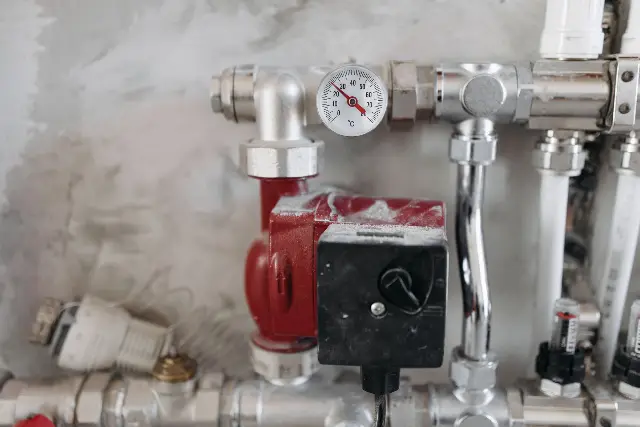
Underfloor heating uses pipes laid under the screed, through which water circulates at a low temperature. The whole floor becomes a large heat emitter that is warm, not hot.
Radiators work with hotter water and heat the air around them, which then circulates through the room.
Quick comparison
| Criterion | Underfloor heating | Radiators |
|---|---|---|
| Comfort | Even heat, warm feet, no visible emitters | Warmer near the radiator, cooler in the corners |
| Response time | Slow: heats up and cools down gradually | Fast: responds quickly to the thermostat |
| When it is installed | In a new build or a renovation with a new screed | At any time, including in finished homes |
| Suitable flooring | Tiles and stone are ideal; parquet only if compatible | Any type of flooring |
| Furniture layout | Walls stay free, no restrictions | The space under the windows stays occupied |
| Heat source | Suits low temperatures: condensing boilers, heat pumps | Works with any boiler |
When underfloor heating makes sense
- you are building or completely redoing the floors and can pour a new screed;
- you want floors that are cold to the touch, such as tiles, to feel comfortable;
- you use the rooms constantly, not just a few hours a day;
- you have, or want, a heat source that works efficiently at low temperature.
The system adds a few centimetres to the floor height, so it has to be decided before the screed and before the doors.
When radiators are the better fit
- the home is already finished and you do not want to redo the floors;
- rooms are used rarely and need to heat up quickly;
- you want thick rugs or a lot of parquet that is not compatible with underfloor heating.
They can be combined
Many houses use underfloor heating on the ground floor and radiators upstairs, or towel radiators in the bathrooms. The combination is designed from the start, so the system works in balance.
Frequently asked questions
Can parquet be laid over underfloor heating?
Yes, if the manufacturer states that the parquet is compatible with underfloor heating. Ceramic tiles and stone, however, transfer heat best.
Can I have underfloor heating in an apartment?
It is possible if the floor is redone, the height allows it and you have your own heat source. If the block has district heating, first check the rules of the owners' association and the supplier.
When does the decision need to be made?
Before the screed and before the finishes, because the underfloor routes affect floor heights, doors and the furniture layout.